
 English
  Portuguese
  Spanish
  Hungarian
  Indonesian
  Italian
  Persian
  Polish
  Turkish
  Ukrainian
  Yiddish
  Yoruba
  Japanese
  Dutch
Dutch Where Not to Place Your Vanity Mirror: Tips for Better Bedroom Design
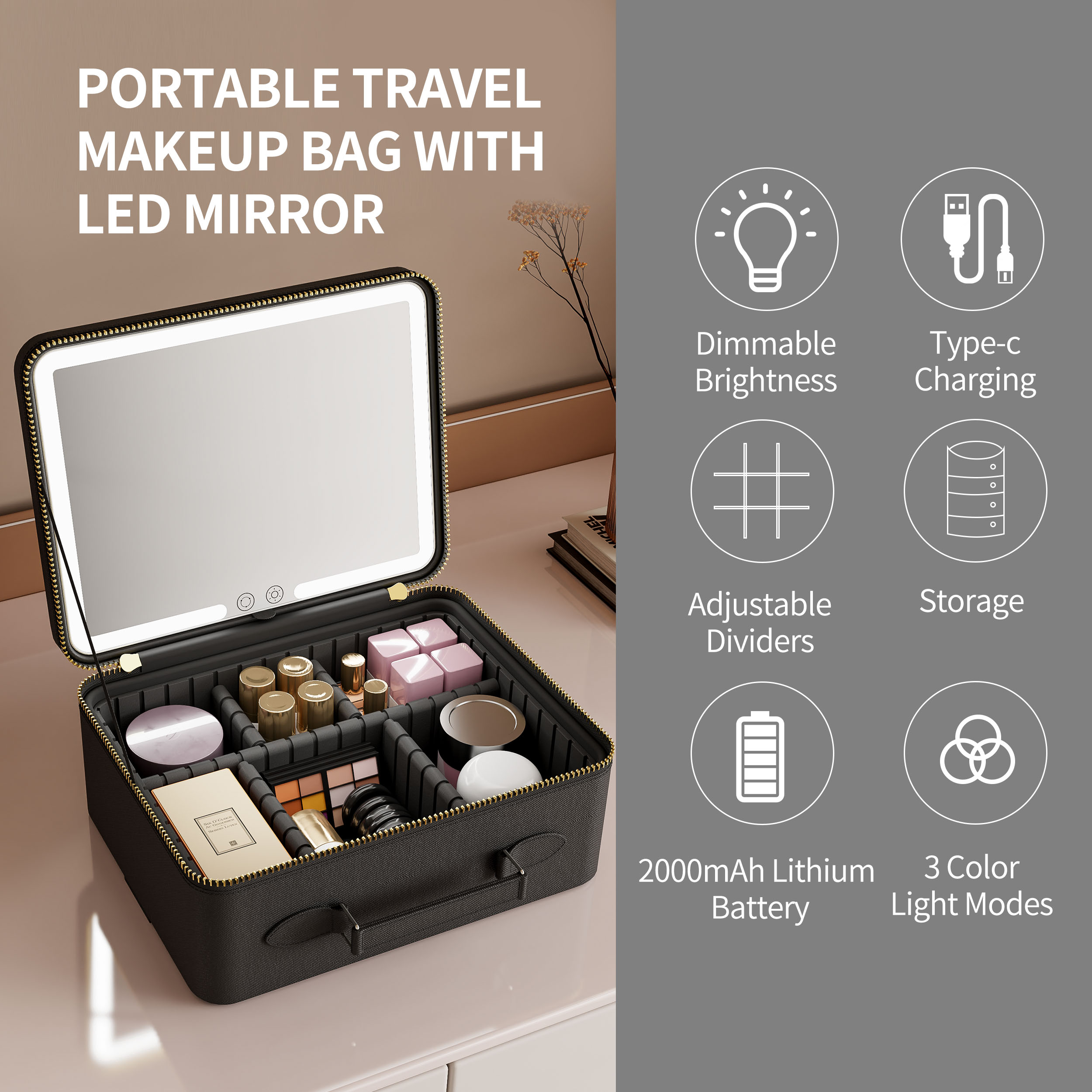
A vanity mirror is a functional and stylish addition to any bedroom, but its placement is crucial for both its practical use and how it affects the room's atmosphere. The wrong position can not only undermine its purpose but can also disrupt the flow and comfort of your personal space. In this guide, we will explore the key areas to avoid when positioning your vanity mirror, helping you enhance both the look and functionality of your bedroom.
Why Proper Mirror Placement Matters
Your vanity mirror is more than just a tool for grooming; it can also play a pivotal role in your bedroom's overall vibe. A well-placed mirror reflects light, enhances space, and adds a touch of elegance to your décor. However, poor placement can lead to unwanted distractions, privacy issues, and even safety risks. Let's dive into the key places where you should avoid putting your vanity mirror.
1. Avoid Placing Mirrors Above Your Bed
While it might seem tempting to place a vanity mirror above your bed for convenience, this is not an ideal location. The main concern is safety—mirrors above the bed can fall due to accidents, improper installation, or even minor shifts in the structure. A falling mirror could result in serious injury.
Additionally, from a feng shui perspective, mirrors positioned above the bed are believed to disrupt the restful energy of the room. This placement is thought to cause stress, disturb sleep, and create a sense of unease.
2. Mirrors Facing the Bed: A Feng Shui Faux Pas
According to feng shui, placing a mirror directly across from your bed can lead to negative energy. It's believed that mirrors facing the bed can disturb your sleep by reflecting your image, creating a sense of unease, or even triggering anxiety. If you're sensitive to these kinds of energies, it’s best to avoid this arrangement.
To maintain harmony, position the mirror on a wall perpendicular to your bed, ensuring that it doesn't reflect you while you sleep.
3. Stay Away from Cluttered Areas
Mirrors are reflective surfaces, and they tend to magnify what's in front of them. Placing a vanity mirror near cluttered areas or piles of clothes will only highlight the mess. This can detract from the mirror's functionality and make the space feel chaotic.
Instead, position your mirror in an area where it reflects a neat, organized space. This not only enhances the aesthetic but also contributes to a calm and tidy atmosphere.
4. Avoid Mirrors Reflecting Private Spaces
Privacy is key when it comes to your bedroom. Avoid positioning your vanity mirror in a way that it reflects private or intimate areas like bathrooms, closets, or areas where you change. This can make you feel uncomfortable or invade your privacy.
Always position the mirror so it faces a neutral or aesthetically pleasing space, avoiding any uncomfortable reflections.
5. Don’t Place Your Mirror in Direct Sunlight
While natural light is great for your space, too much direct sunlight on a vanity mirror can cause glare. The intense sunlight hitting the mirror's surface can create discomfort, distort your reflection, and even damage the mirror’s frame over time.
If you want to maximize natural light, place the mirror opposite a window where it can reflect the light without it directly hitting the mirror.
6. Consider Your Bedroom’s Layout
The layout of your room plays a big part in mirror placement. A well-placed mirror should complement the furniture arrangement and not obstruct pathways or make the room feel cramped. It’s important to avoid placing mirrors in areas where they can block doors, windows, or walking paths.
Consider your room’s flow and ensure the mirror is placed where it enhances both functionality and aesthetics.
Recent Posts
- Buying Guide: Specifying Wall-Mounted Square Lighted Makeup Mirrors for Commercial Projects
A technical guide for architects and procurement managers on specifying durable, hardwired wall-mounted lighted makeup mirrors for high-traffic hotel projects.
07/28/2026
- Sourcing Custom Square Lighted Makeup Mirrors: Technical Specifications and OEM Standards
Learn the technical standards for custom square lighted makeup mirrors. Explore LED CRI, frame moisture resistance, and OEM assembly protocols for commercial projects.
07/28/2026
- Engineering High-Performance Square LED Mirrors for Luxury Hospitality
Learn the engineering standards for square LED hotel bathroom mirrors. Expert guide for procurement managers on durability, PMMA diffusion, and IP-rated safety.
07/28/2026
- Square vs. Round Hotel Bathroom Mirrors: A Procurement and Design Guide
A technical guide for procurement managers on selecting square vs. round hotel bathroom mirrors, focusing on ISO 11485 standards, ADA compliance, and ROI.
07/28/2026
- Engineering Precision: A Professional Guide to Sourcing Wholesale Distortion-Free Mirrors
Learn to source high-precision, distortion-free mirrors for commercial projects. Master technical specs, material quality, and ASTM testing standards.
07/28/2026
- Bulk Sourcing Custom Desktop Makeup Mirrors: A Procurement Guide for Corporate Gifting
A technical procurement guide for B2B managers sourcing bulk custom LED desktop mirrors, covering branding longevity, shipping safety, and quality standards.
07/28/2026
- Why Cordless Rechargeable Lighted Makeup Mirrors are Transforming Hospitality Bathrooms
Optimize hotel bathroom design with commercial-grade cordless mirrors. Learn about TCO, battery cycle durability, and UL/CE compliance for bulk hospitality projects.
07/28/2026
- The Procurement Manager's Guide to Sourcing Bulk Lighted Rechargeable Makeup Mirrors
Learn to procure commercial-grade rechargeable lighted makeup mirrors. Reduce RMAs with technical insights on battery safety, BMS, and QC standards.
07/28/2026
- Commercial LED Mirror Power Supply: A Technical Procurement Lifecycle Guide
A technical guide for facility managers comparing battery vs. direct-wire LED mirrors, focusing on TCO, safety standards like IEC 62133, and MTBF reliability.
07/28/2026
- Integrated LED vs. Bulb Ring Light Makeup Mirrors: A B2B Procurement Comparison
Compare integrated LED vs. bulb makeup mirrors for hospitality projects. Expert guide on thermal management, maintenance costs, and B2B reliability standards.
07/28/2026